Butcher's broom root extract explained
A shrub you may never have met
Imagine a long lunch outdoors in a Mediterranean courtyard, with terracotta pots along the wall and a dark green plant growing in one corner. That plant is a good place to begin, because butcher's broom is an evergreen shrub from the Mediterranean region, and its root extract is one of the six ingredient names printed on the FlowNerves label. This post describes it in plain terms and keeps to what is known about the name itself.
What the words on the label mean
Two parts to the name are worth separating. Butcher's broom is the plant: an evergreen shrub, which means it keeps its leaves throughout the year, native to the Mediterranean region. Root extract is the form: the brand uses an extract taken from the root of the plant. Put the two together and you have the complete description, a root extract from an evergreen Mediterranean shrub.
That is where this explainer stays. The brand does not disclose the amount of any individual ingredient, because the six names are presented as a proprietary blend. The names are printed, the amounts are not, and this blog follows that pattern faithfully.
Where it appears in the lineup
The six names are magnesium glycinate, ALA, butcher's broom root extract, L-carnitine, turmeric extract (95% curcuminoids) and coenzyme Q10 (CoQ10). Butcher's broom is the one most likely to stop a reader mid-sentence, since the other five are more familiar by sound. If you would like to see them all at once, the ingredients page lays the set out together.
Anyone curious about published papers can open a general search at PubMed. It is an index, and browsing it is a habit for the curious reader.
Three words worth knowing
A few terms make botanical names easier to handle at a glance.
- Evergreen: a plant that keeps its leaves all year.
- Shrub: a woody plant, shorter than a tree, with several stems.
- Extract: a concentrated form taken from part of a plant, such as the root.
With those three, the phrase butcher's broom root extract turns into plain language: a concentrated form from the root of a woody evergreen plant. A friend at the next table could follow it without any trouble.
Plant ingredients usually follow a pattern. First comes the common name, then the part of the plant used, then the form. Learning to read in that order is a small superpower at the shopping counter.
- Common name: butcher's broom.
- Part used: the root.
- Form: an extract.
Turmeric extract on the same label follows the same logic, with a famous kitchen root as the starting point. Seeing the two lines share a structure can make the entire panel feel calmer, because it turns six unfamiliar names into six sentences built the same way.
Imagine a small shelf of herb pots near a sunny window, each with a neatly lettered tag. Butcher's broom would be the tag for a woody, evergreen plant with a Mediterranean home. Writing tags like these for the label names is a pleasant weekend job, and it turns a list of names into a little garden of plain descriptions.
A quick exercise: write the name on a card, then draw three small boxes underneath. Fill the first with the word evergreen, the second with Mediterranean, the third with root extract. Three boxes, three plain ideas, and the long name is suddenly a short story you can retell at the dinner table without looking at the bottle.
Bringing it back to the daily routine
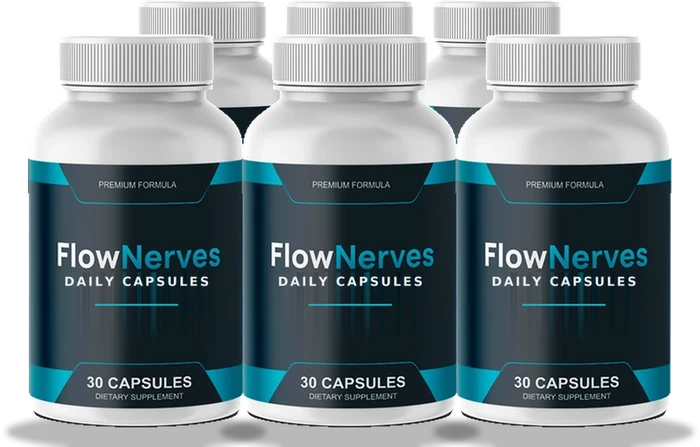
The routine itself is simple. FlowNerves is a supplement in capsule form for adults 18 and over, with 30 capsules per bottle. The brand directions are one capsule once daily with a meal and a glass of water. One capsule a day makes each bottle a 30-day supply. A tidy habit is to set the bottle beside the fruit bowl or the spice jar so that breakfast and the capsule become a pair.
Understanding one name more clearly rarely changes a routine, but it does turn a label from a puzzle into a list, and a list is something you can keep on the counter without a second thought.
When you are ready to order
Many readers like to see what customers say and how the pricing works before they decide. Search phrases like FlowNerves reviews and FlowNerves price lead to the reviews page, which gathers customer comments in one spot.
If you decide to buy FlowNerves, head to the FlowNerves order page. The 6-bottle pack is the best value at $49 per bottle, $294 total, with free shipping and the lowest price per bottle. The 3-bottle pack is $69 per bottle ($207 total), and the 2-bottle pack is $79 per bottle ($158 total). It is a one-time purchase with secure checkout, and the 60-day money-back guarantee applies. Six bottles stock the shelf for a good long stretch, which is why it is the pack we nudge you toward.